የግዕዝ ፊደል ታሪክ | History of Geez Script
Dr. Selam Haile
Cultural Historian
የግዕዝ ፊደል ታሪክ | History of the Geez Script
ግዕዝ — የዓለም ጥንታዊ ፊደሎች አንዱ
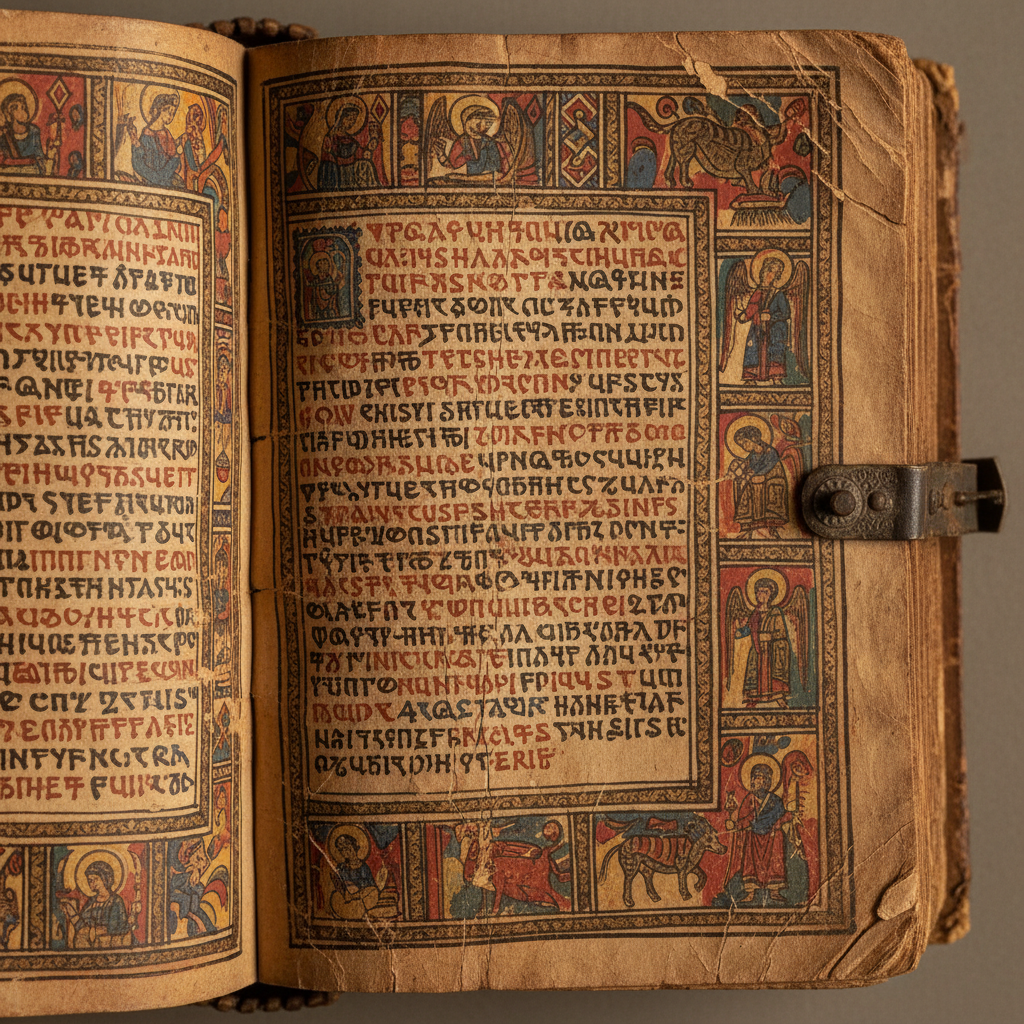
ግዕዝ (Geez script, also called Ethiopic) is one of the world's oldest continuously used writing systems, with origins dating back over 3,000 years to the ancient Kingdom of Aksum in present-day northern Ethiopia and Eritrea.
አክሱማዊ ሥልጣኔ | The Aksumite Origins
The script developed from the South Arabian Sabaean alphabet around the 5th century BCE, evolving uniquely on African soil into an abugida — a writing system where each character represents a consonant-vowel combination. Unlike alphabets where vowels are separate letters, Geez encodes vowel sounds directly into the shape of each consonant character through systematic modifications.
ለምን ይህ ልዩ ነው? Each base consonant has 7 forms (orders), one for each vowel sound, creating a grid of approximately 280 core characters. This elegant system means a reader can always deduce pronunciation from the written form alone.
ሃይማኖታዊ ሚና | Sacred and Literary Role
Geez became the liturgical language of the Ethiopian Orthodox Tewahedo Church, preserving texts including:
These texts survived centuries when their Greek and Hebrew equivalents were lost to history.
ዛሬ | Geez Script Today
Modern Amharic, Tigrigna, and Tigre — spoken by over 40 million people — all use Geez script. It is also used for Afaan Oromo in some traditional contexts, though the Latin-based Qubee script is now standard for Oromo.
At AdwaTimes, we celebrate Geez script not just as a writing system but as a living cultural inheritance. Our platform supports full Geez script rendering, right-to-left text display, and AI models trained on Ethiopian-script content.
ፊደሉ ይኖራል — The script lives on.
Share this article
Help other creators discover ADWA TIMES